
Anet A8 3D Printer Review: First Impressions and Build Quality
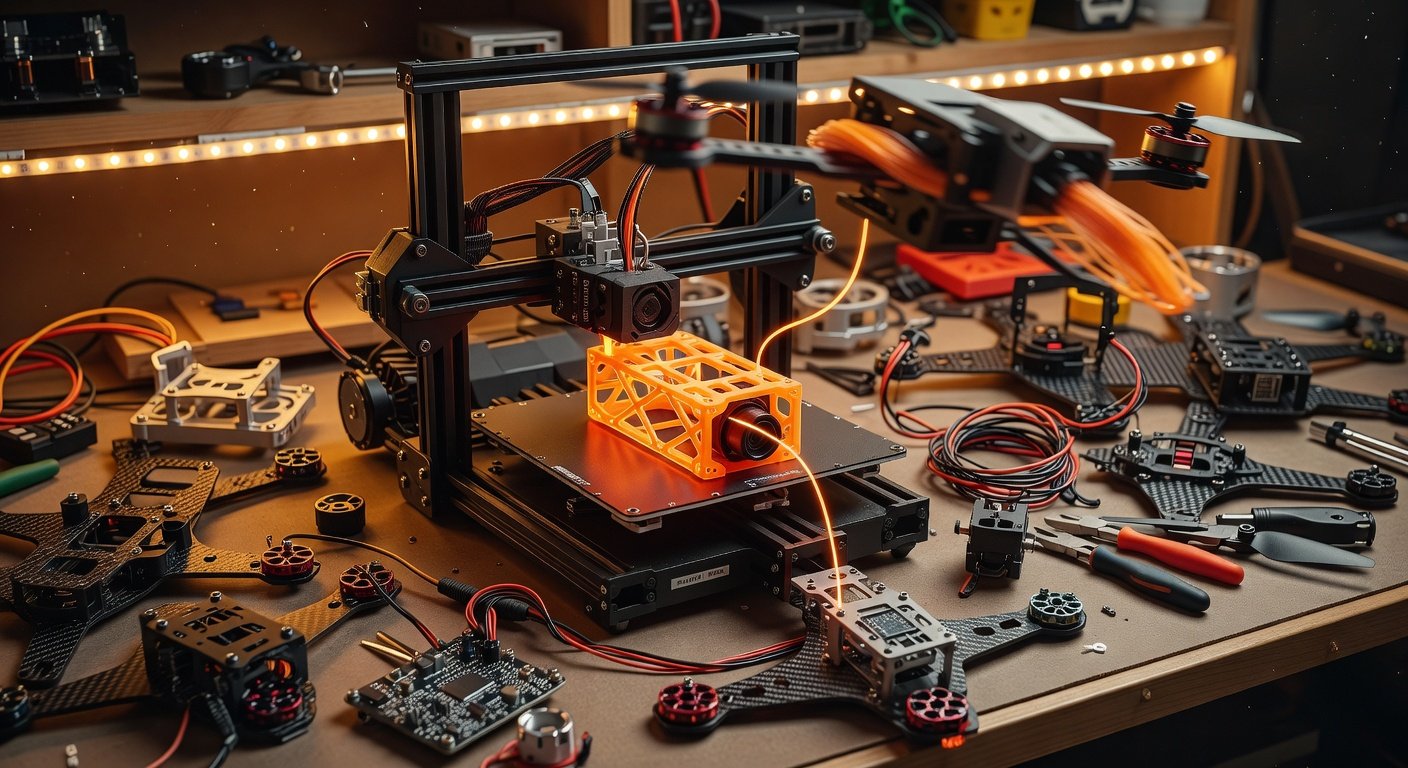
The Anet A8 3D printer has become a popular choice among FPV drone builders seeking an affordable entry into 3D printing custom parts and accessories. This budget-friendly printer arrives as a DIY kit requiring assembly, which appeals to the hands-on mentality of most FPV enthusiasts. The build quality reflects its price point, featuring an acrylic frame construction that feels somewhat flimsy compared to aluminum alternatives. However, the included components are generally functional, with the heated bed, stepper motors, and control board performing adequately for basic printing tasks. The assembly process takes approximately 4-6 hours and requires careful attention to belt tension and frame alignment to achieve optimal results.
Upon completion of assembly, the Anet A8 presents a compact footprint suitable for most workshop spaces. The printer’s 220x220x240mm build volume provides sufficient space for most FPV-related prints, including camera mounts, antenna holders, and small frame components. The heated bed reaches temperatures up to 100°C, enabling printing with various filament types including PLA, ABS, and PETG. The extruder assembly, while basic, handles standard 1.75mm filament reliably once properly calibrated. Initial bed leveling requires patience, as the manual adjustment system can be finicky. The LCD display and control interface are straightforward, though the menu system feels dated compared to modern alternatives.
Print Quality and Performance for FPV Applications
Testing the Anet A8 with typical FPV drone components reveals mixed but generally acceptable results for the price range. Camera mounts printed in PLA demonstrate adequate dimensional accuracy, with most critical measurements falling within ±0.2mm tolerance. Layer adhesion proves solid for structural parts, though surface finish quality varies significantly based on print settings and environmental conditions. The printer excels at producing functional prototypes and replacement parts where aesthetics matter less than functionality. Antenna mounts, battery straps, and simple brackets print reliably once optimal settings are established. However, complex geometries with overhangs or intricate details often require support structures and post-processing to achieve acceptable quality.
Print speeds remain conservative compared to modern printers, with quality results typically achieved at 40-60mm/s for most FPV applications. The stock hotend reaches 250°C maximum temperature, sufficient for common filament types but limiting options for high-temperature materials. Bed adhesion varies with different filament types, often requiring additional adhesion aids like hairspray or specialized build surfaces. The printer handles multi-hour prints reasonably well, though occasional layer shifts or extrusion inconsistencies can occur during extended sessions. Regular maintenance and calibration checks become essential for maintaining consistent output quality over time.
Essential Upgrades for FPV Builders
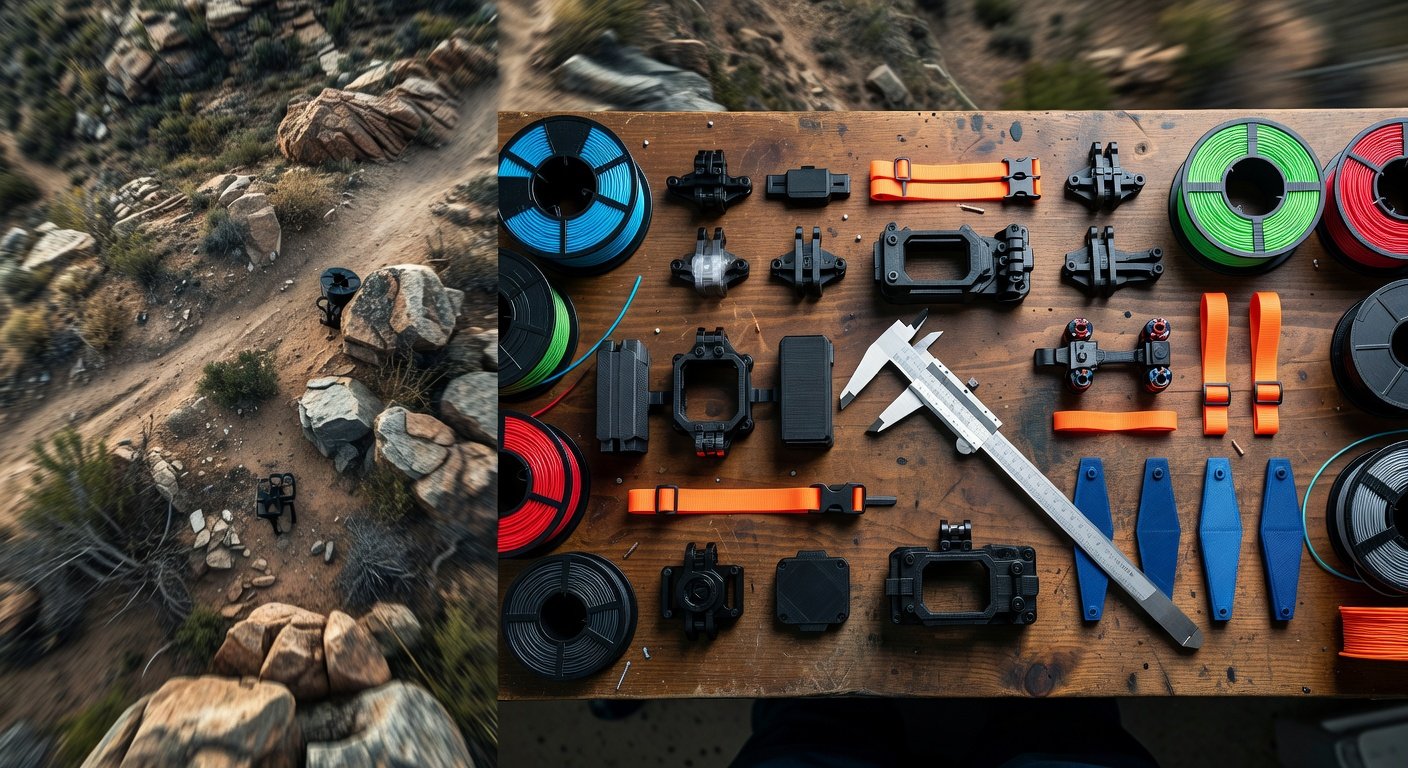
Several critical upgrades transform the Anet A8 from a basic printer into a more reliable tool for FPV part production. Frame bracing represents the most important modification, as the stock acrylic frame exhibits flex during printing that affects quality. Adding aluminum corner braces or upgrading to a full aluminum frame significantly improves rigidity and print consistency. The stock power supply also requires immediate attention, as many units ship with inadequate safety features. Upgrading to a quality switching power supply with proper grounding and overcurrent protection should be considered mandatory for safe operation. Auto bed leveling sensors eliminate much of the frustration associated with manual bed adjustment, though installation requires basic wiring skills and firmware modifications.
Safety Considerations and Modifications
The Anet A8’s budget construction raises legitimate safety concerns that FPV builders must address before regular use. The stock power supply connections often lack proper strain relief and may use undersized wiring for the current loads involved. Many users report heating issues with bed connections, necessitating upgraded wiring and proper crimped terminals. The heated bed’s direct connection to the mainboard can cause thermal stress and potential failure over time. Installing a MOSFET relay board isolates high-current bed heating from the control electronics, reducing fire risk and extending component lifespan. Additionally, the acrylic frame’s proximity to heated components requires careful monitoring and potential heat shielding in critical areas.
Firmware upgrades provide another layer of safety improvement while enhancing functionality. Installing Marlin firmware with thermal runaway protection prevents dangerous overheating scenarios that could damage the printer or surrounding property. This modification requires basic Arduino programming knowledge but significantly improves operational safety. Adding smoke detectors and fire suppression systems to the printing area represents prudent risk management, especially for unattended printing sessions. Regular inspection of all electrical connections, particularly heated bed wiring, prevents many common failure modes that could lead to safety incidents.
Cost Analysis and Value Proposition
At its typical retail price point, the Anet A8 offers reasonable value for FPV builders willing to invest time in setup and upgrades. The initial purchase cost represents only the beginning of total investment, as essential safety and performance modifications can add 50-100% to the base price. However, even with upgrades, the total cost remains significantly below commercial alternatives with similar capabilities. For builders producing multiple drone frames or frequently prototyping custom parts, the printer pays for itself relatively quickly compared to outsourcing print jobs or purchasing commercial alternatives.
The learning curve associated with the Anet A8 provides valuable experience in 3D printing fundamentals that benefits long-term FPV building projects. Understanding printer mechanics, filament properties, and troubleshooting techniques proves invaluable when designing and producing custom drone components. The active online community surrounding this printer model ensures abundant resources for problem-solving and modification guidance. However, builders seeking immediate productivity or lacking technical troubleshooting skills might find better value in slightly more expensive, pre-assembled alternatives that offer greater reliability out of the box.
Maintenance Requirements and Long-term Ownership
Long-term ownership of the Anet A8 requires commitment to regular maintenance and component replacement. The acrylic frame components may develop stress cracks over time, particularly around mounting points and areas subject to thermal cycling. Hotend components require periodic replacement, with nozzles typically lasting 100-200 hours of printing depending on filament types used. The heated bed surface degrades with use, eventually requiring replacement or resurfacing for optimal adhesion. Stepper motor drivers may fail under heavy use, though replacement costs remain reasonable. Establishing a maintenance schedule and keeping spare parts inventory ensures minimal downtime for active FPV building projects.
Frequently Asked Questions
Is the Anet A8 suitable for printing drone frames?
The Anet A8 can print small drone frame components and accessories, but its build volume and material limitations make it unsuitable for full-size racing drone frames. It excels at camera mounts, antenna holders, and replacement parts.
What safety upgrades are mandatory for the Anet A8?
Essential safety upgrades include power supply replacement, MOSFET relay board installation, proper wiring upgrades, and firmware updates with thermal runaway protection. These modifications address fire and electrical hazards present in the stock configuration.
How long does Anet A8 assembly take for beginners?
First-time builders typically require 6-8 hours for complete assembly, including calibration and initial test prints. Experienced builders can complete assembly in 4-5 hours. Proper attention to belt tension and frame alignment is crucial for optimal performance.
What filament types work best with the Anet A8 for FPV parts?
PLA offers the easiest printing experience and adequate strength for most FPV accessories. PETG provides better durability for structural components. ABS requires enclosure modifications but offers superior temperature resistance for applications near motors or ESCs.
Ready to Upgrade Your FPV Building Setup?
Whether you’re considering the Anet A8 or exploring other 3D printing options for your FPV builds, our team can help you choose the right equipment for your specific needs. Contact us for personalized recommendations on printers, upgrades, and printing techniques that will enhance your drone building projects.