

Understanding Intermodulation Distortion Destroyer Group Video
Intermodulation distortion (IMD) is a common issue in FPV drone systems, often degrading video signal quality and hindering a pilot’s ability to navigate effectively. The intermodulation distortion destroyer group video concept refers to a community-driven or specialized video resource that focuses on identifying, mitigating, and eliminating IMD in FPV setups. This guide aims to break down the core principles behind these resources, helping hobbyists and racers achieve clearer video feeds. IMD occurs when multiple frequency signals mix, creating unwanted interference. For FPV pilots, this can mean fuzzy or disrupted video feeds, especially in crowded flying environments like races or group sessions where multiple drones operate simultaneously. Understanding how to tackle this issue is vital for a seamless flying experience.
The destroyer group videos often compile expertise from seasoned FPV enthusiasts who share practical solutions. These resources typically cover hardware adjustments, frequency management, and filtering techniques to reduce interference. By following the advice in such videos, pilots can fine-tune their video transmitters (VTXs) and receivers to minimize IMD. The collaborative nature of these group efforts means you’re not just learning from one perspective but from a variety of real-world experiences. Whether you’re into freestyle or racing, applying these insights can significantly boost your video clarity. This section will dive deeper into why IMD happens in FPV systems and how these targeted videos provide actionable steps to address the problem without overwhelming beginners or advanced users alike.
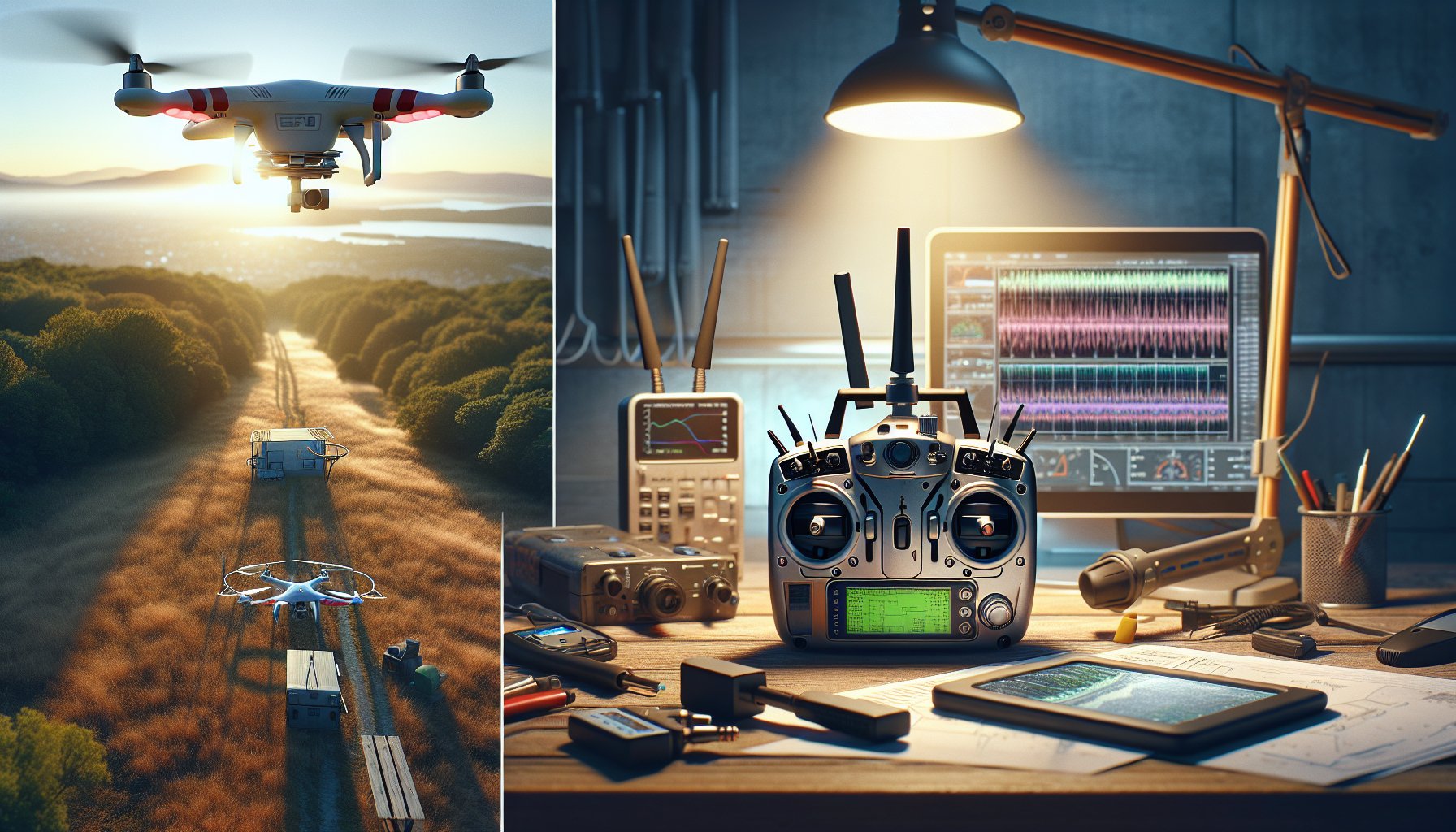
Why Intermodulation Distortion Matters in FPV Video Feeds
Intermodulation distortion directly impacts the quality of your FPV video feed, making it a critical concern for any drone pilot. When flying in environments with multiple pilots or other signal sources, IMD can cause visual noise, ghosting, or complete signal loss. This interference arises from the mixing of frequencies, often due to poorly configured VTX settings or overlapping channels. For FPV racers, even a split-second of video disruption can mean the difference between winning and crashing. The intermodulation distortion destroyer group video resources highlight these risks and emphasize the importance of clean video signals for safe and competitive flying. Addressing IMD isn’t just about better visuals—it’s about maintaining control over your drone.
Beyond performance, IMD can also affect the longevity of your equipment. Constant interference may strain components like video transmitters, leading to premature wear. Group videos often stress the need for proper channel spacing and the use of filters to combat this. They also educate pilots on how environmental factors, like nearby Wi-Fi networks or other radio frequencies, contribute to distortion. By prioritizing video signal integrity, you’re not only enhancing your flying experience but also protecting your gear investment. This guide will later explore specific tools and setups recommended in these videos to help you combat IMD effectively in various flying scenarios, from casual park flights to intense race events.
Common Causes of IMD in FPV Systems
Several factors contribute to intermodulation distortion in FPV drone systems, and understanding these is the first step to mitigation. One primary cause is frequency overlap, especially when multiple pilots fly in close proximity using similar VTX channels. This overlap creates harmonic interference, disrupting video feeds. Another issue is poor-quality hardware—low-grade transmitters or receivers often fail to filter out unwanted signals, amplifying IMD. Environmental noise, such as interference from nearby electronic devices or power lines, can also play a role. Group videos often pinpoint these root causes, offering diagnostics like spectrum analysis to identify problem frequencies. Armed with this knowledge, pilots can make informed adjustments to their setups for cleaner video output.
How to Use Destroyer Group Videos to Fix Distortion
Intermodulation distortion destroyer group video content is a goldmine for FPV pilots looking to resolve video feed issues. These videos typically walk through step-by-step processes to identify and eliminate IMD, starting with basic frequency management. For instance, they might demonstrate how to use a frequency scanner to find clear channels before a flight. Many also recommend specific hardware upgrades, like high-quality VTX units or bandpass filters, to reduce interference. By following these tutorials, you can systematically address distortion without guesswork. The community aspect ensures that the advice is practical, often tested in real-world flying conditions by multiple pilots, making it reliable for both beginners and seasoned racers.
Another key takeaway from these videos is the emphasis on proper setup and testing. They often suggest conducting pre-flight checks in different environments to simulate potential interference scenarios. Some videos even provide custom firmware or tuning tips for advanced users to fine-tune their gear. Implementing these strategies can drastically improve video clarity, especially during group flights or races. Additionally, the collaborative discussions in these videos can introduce you to new tools or techniques you might not have considered. This section will further break down specific recommendations from popular destroyer group content, ensuring you have a clear roadmap to tackle IMD in your FPV system with confidence.

Frequently Asked Questions
What is intermodulation distortion in FPV drones?
Intermodulation distortion (IMD) in FPV drones refers to interference caused by the mixing of multiple frequency signals, resulting in degraded video feed quality. This often happens when several drones operate on nearby channels, creating unwanted harmonics. IMD can manifest as visual noise, ghosting, or signal loss, impacting a pilot’s ability to control the drone effectively. Addressing IMD is crucial for maintaining clear video feeds, especially in competitive or crowded flying environments.
How can destroyer group videos help with FPV video issues?
Destroyer group videos are community-driven resources that provide practical solutions for tackling intermodulation distortion in FPV systems. They offer step-by-step guidance on frequency management, hardware upgrades, and environmental adjustments to minimize interference. These videos compile insights from experienced pilots, ensuring the advice is tested and reliable. Watching them can help you improve video clarity and enhance your overall flying experience.
What causes video distortion in FPV drones?
Video distortion in FPV drones is often caused by intermodulation distortion, which results from frequency overlap when multiple drones fly on similar channels. Other factors include low-quality hardware that fails to filter interference, and environmental noise from nearby electronics or power lines. Identifying these causes through diagnostic tools or group video resources can help pilots adjust their setups for clearer video feeds.
Ready to Optimize Your FPV Video Feed?
If you’re tired of dealing with fuzzy video feeds and want to apply the insights from intermodulation distortion destroyer group videos, we’re here to help. Reach out for personalized advice on tuning your FPV setup or selecting the best gear to eliminate interference. Contact us today for a consultation and take your flying experience to new heights with crystal-clear video!